

Patrick Jackson
Today I will discuss 3 common errors that English speakers make when talking about the days of the week or the seasons of the year in Spanish.
My smartphone has replace the “libreta” (small writing pad) and “bolígrafo” (pen)
or “lapicero” (pen) — or as they say in “la República Dominicana” and “Puerto Rico” a “pluma” (literally “feather”) – that I used to always carry with me.
So now I carry my smartphone everywhere that I go Medellín. And everytime that I hear a non-native Spanish speaker make an error I write it down in order to remind my self to share the error with you — so that you don´t ever commit the same mistake.
Earlier today I heard two “caballeros” (gentlemen) from the U.K. make not one but THREE MISTAKES when speaking Spanish to a Paisa (person from Medellín). Try to spot what one of them said INCORRECTLY in the following sentence:
Llegamos en sábado.
We arrived on Saturday.
Do you see his mistake?
Spanish speakers use the definite article (“el”) before the names of the days of the week. They do NOT use “en” to translate the English word “in.” So he should have said:
How To Say We Arrived On Saturday In Spanish
Llegamos el sábado.
We arrived on Saturday.
But their mistakes did not stop there. His friend then INCORRECTLY asked the “Colombiano” the following question:
Hoy es el lunes?
Today is Monday?
Do you see his mistake?
Although it is necessary in Spanish to use the definite article (“el”) before the names of the days of the week, you do not use “el” or any type of definite article after any form of the verb “ser” when talking about days of the week.
How To Ask Is Today Monday In Spanish
Hoy es lunes?
Today is Monday?
I heard one of them make one more MISTAKE. Try to see if you can spot what one of them said INCORRECTLY:
Otoño es la estación cuando viajamos mucho.
Autumn is the season when we travel a lot.
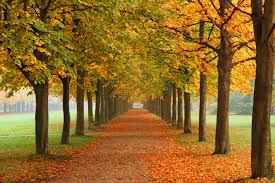
Did you catch the mistake?
Although in English, depending on the phrase, we may or may not use definite articles before the names of seasons, in Spanish you must use definite articles before the names of seasons.
So he should have said:
El otoño es la estación cuando viajamos mucho.
Autumn is the season when we travel a lot.

