Upon arriving to Colombia and before moving to Medellin, Colombia, I lived in Barranquilla, Colombia — a coastal city on the Atlantic side of Colombia.
While I was there I filled an entire “cuaderno” (notebook) of Spanish words that I learned while living in Latin America.
Before I list 6 of these words I want to WARN you that if you are about to have a meal, you may want to review these words AFTER eating.
With that said, you will now learn the following:
1. How to say flea in Spanish
2. How to say flea ridden in Spanish
3. How to say lice in Spanish
4. How to say covered with lice in Spanish
5. How to say tick in Spanish
6. How to say parasite in Spanisha. pulga: flea
b. pulgoso: flea ridden
c. piojo: lice
d. piojoso: covered with lice
e. garrapata: tick
f. parásito – parasite
Por ejemplo (for example):
Mi gato tiene muchas pulgas.
My cat has a lot of fleas.
En el zoológico hay un lobo pulgoso.
In the zoo, there’s a wolf covered with fleas.
Ese muchacho tiene piojos en su cabello.
That boy has lice in his hair.
Hay un vagabundo piojoso buscando en la basura.
There’s a bum covered in lice going through the trash.
Mi perro aullaba de dolor cuando le arranqué las garrapatas.
buy zoloft online https://www.dentalmavericks.org/wp-content/uploads/2022/08/png/zoloft.html no prescription pharmacyMy dog howled from pain when I pulled the ticks out of him.
buy cenforce online https://www.dentalmavericks.org/wp-content/uploads/2022/08/png/cenforce.html no prescription pharmacy
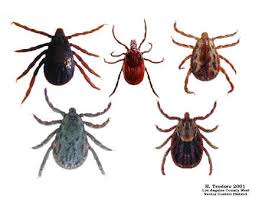
La tenia es un animal parásito.
The tapeworm is a parasitic animal.
By the way, I remember learning the words “piojo” (lice) and “piojoso” (covered with lice) from an “amiga” in Barranquilla who had two school-age children. Apparently, in Colombia, as in the States, it is not uncommon for school-age children to spread lice to the hair of other children.
And I learned the word “parásito” (parasite) after an unpleasant experience from eating food from a street vendor in Barranquilla.

