There’s a common mistake that I often hear native English speakers make when peaking Spanish here in Colombia. And that mistake is to omit the Spanish word “que” (that) when using the Spanish subjunctive and linking two clauses. This is a common mistake because in English the word “that” can be omitted.
I will give you a couple of examples so that you know exactly what I mean.
THIS IS WRONG:
Espero él compre enjuague bucal.
I hope (that) he buys mouthwash.
Notice that in English the “that” is optional. But in Spanish, you must join the two clauses with “que.”
So in Spanish you MUST use “que” and say:
Espero que él compre enjuague bucal.
I hope (that) he buys mouthwash.
Here´s another example which is also WRONG:
Dudamos él utilice blanqueador.
We doubt (that) he uses bleach.
Again, notice that in English the “that” is optional. But in Spanish, you must join the two clauses with “que.”
So in Spanish you MUST use “que” and say:
Dudamos que él utilice blanqueador.
We doubt (that) he uses bleach.
So be sure that you don’t make this mistake and forget to include “que” when using the Spanish subjunctive to join two clauses.
How To Say Bleach In Spanish
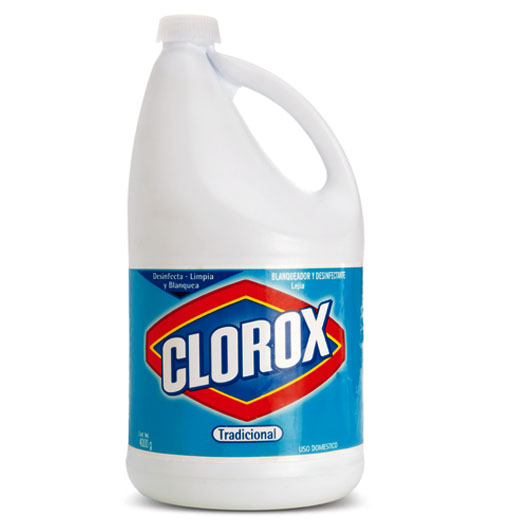
This blog post is actually from an email that I sent to my subscribers back in 2010. When I sent the email one reader emailed me and said that the word that she has heard used for “bleach” in Argentina is “lavandina.”
And another reader emailed me and said that the word that she has heard used for “bleach” in Spain is “lejía.”
So “blanqueador” in Colombia. “Lavandina” in Argentina. And “lejía” in Spain. So many different Spanish words to say the same thing!
But this doesn´t surprise me. Different Spanish-speaking countries and regions commonly use different vocabulary words.